
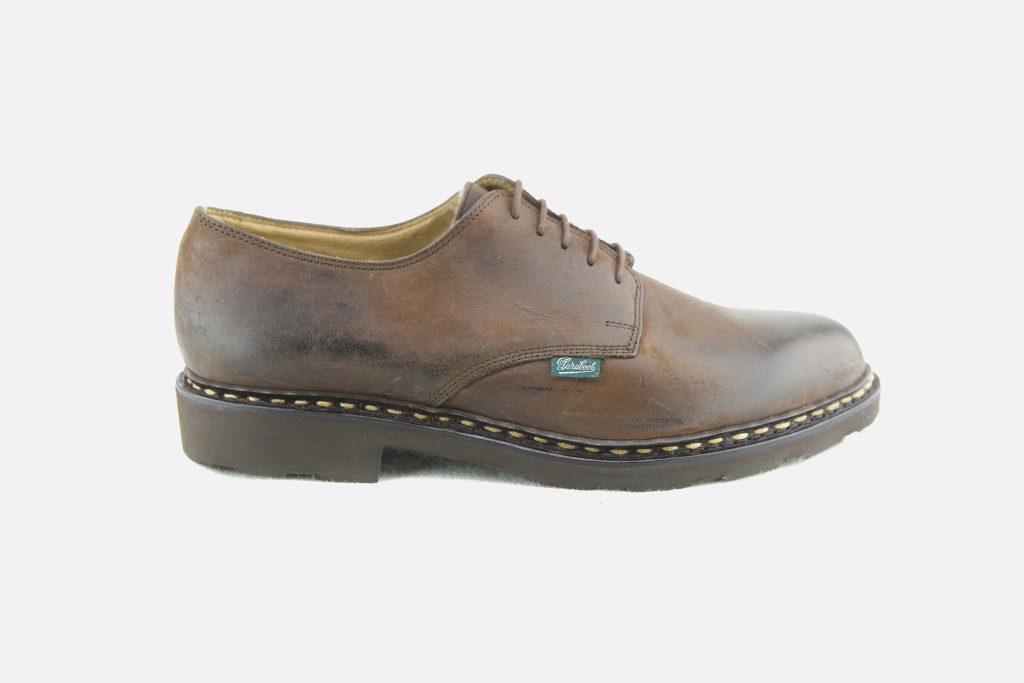
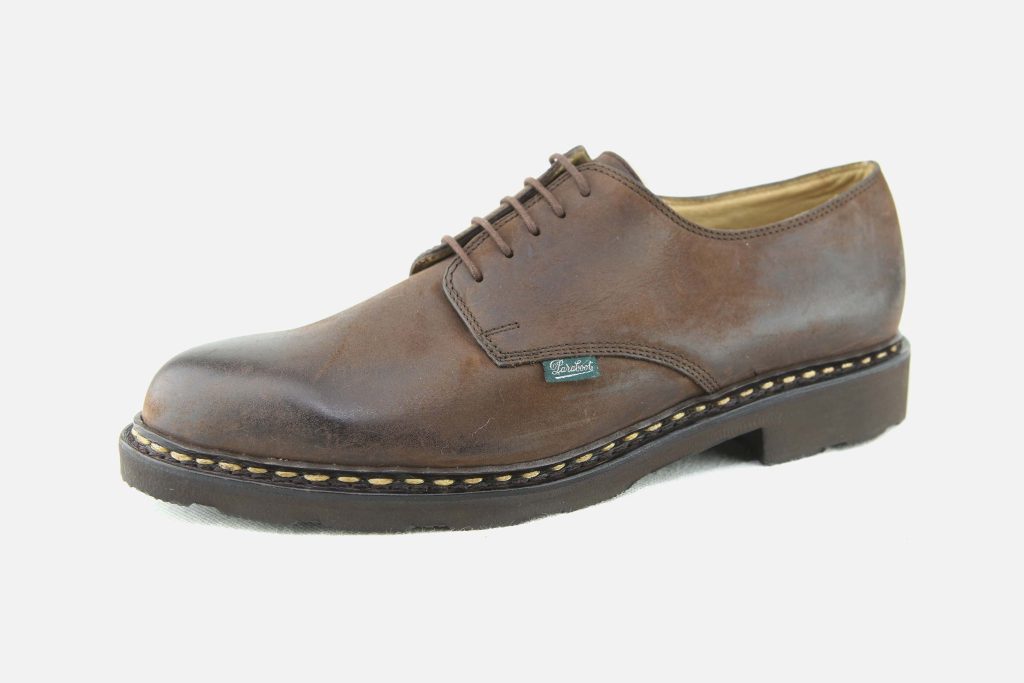
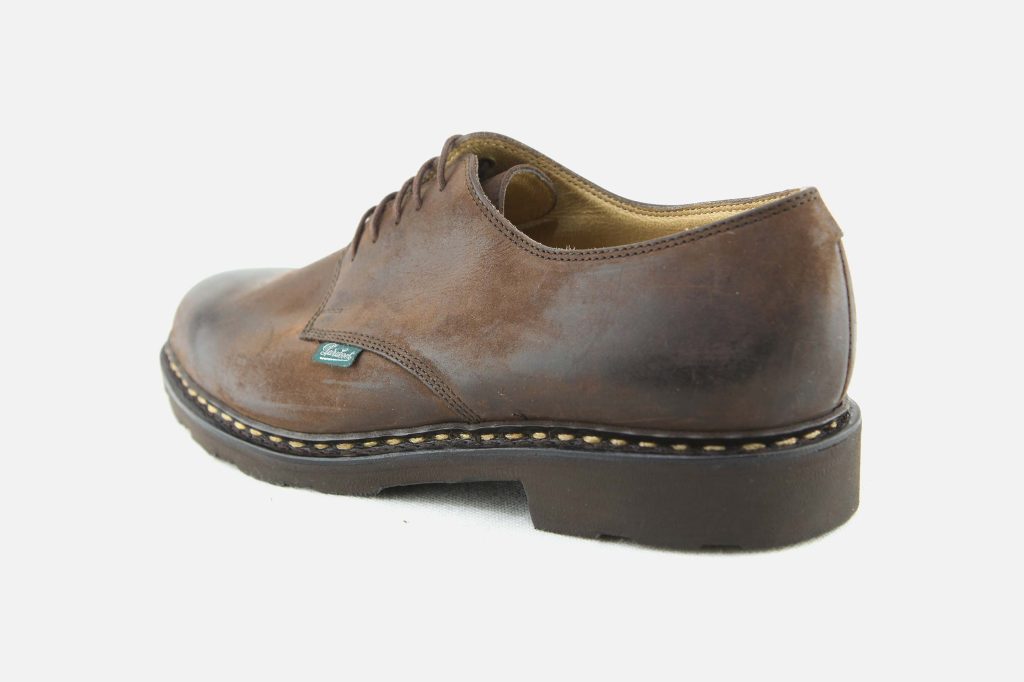
| Sizing | Big fit, we advise you to size down your usual size |
|---|---|
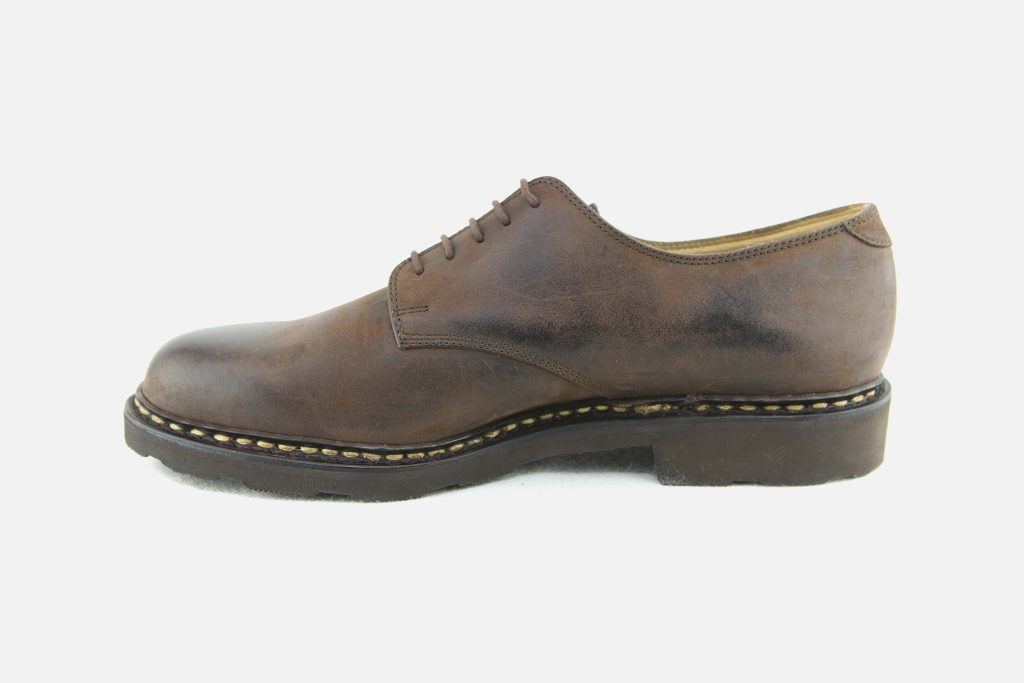
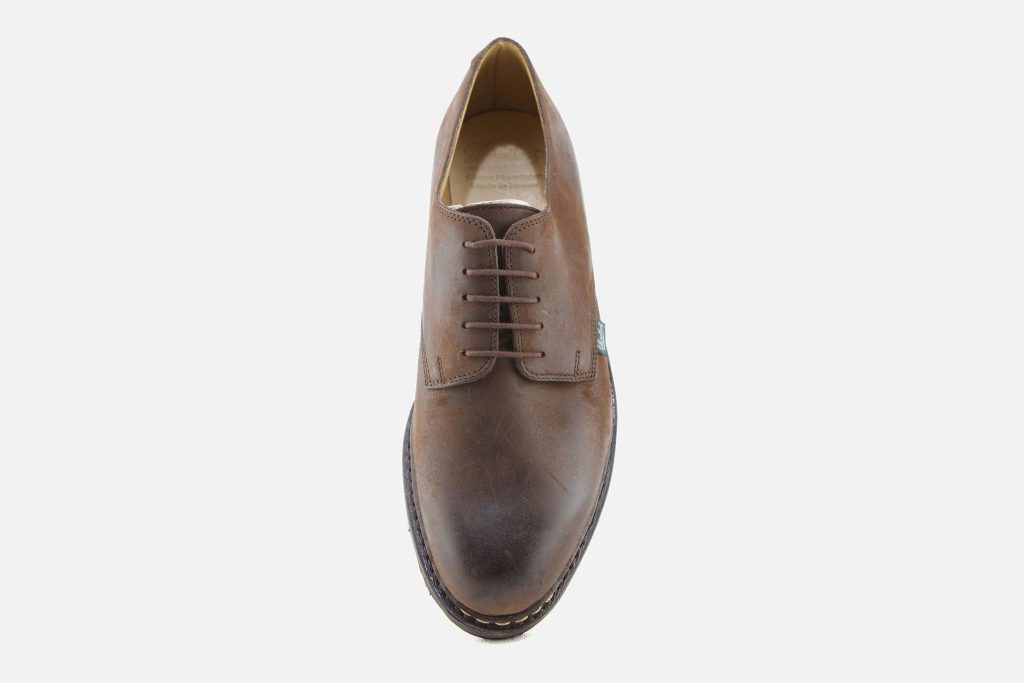
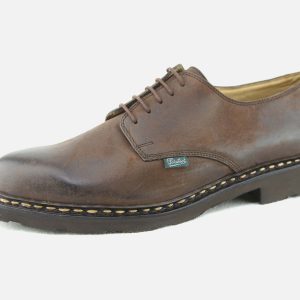
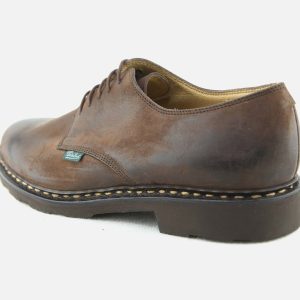
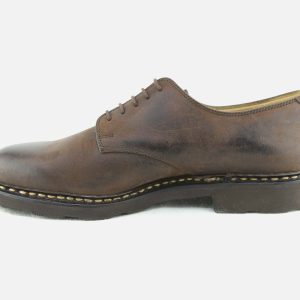
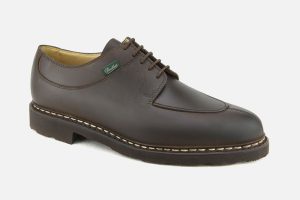
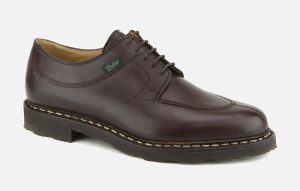
| Upper | Leather |
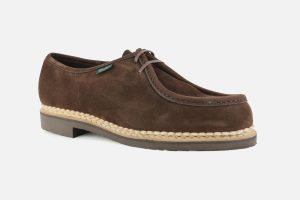
| Upper | Oiled nubuck |
| Lining and insole | Leather |
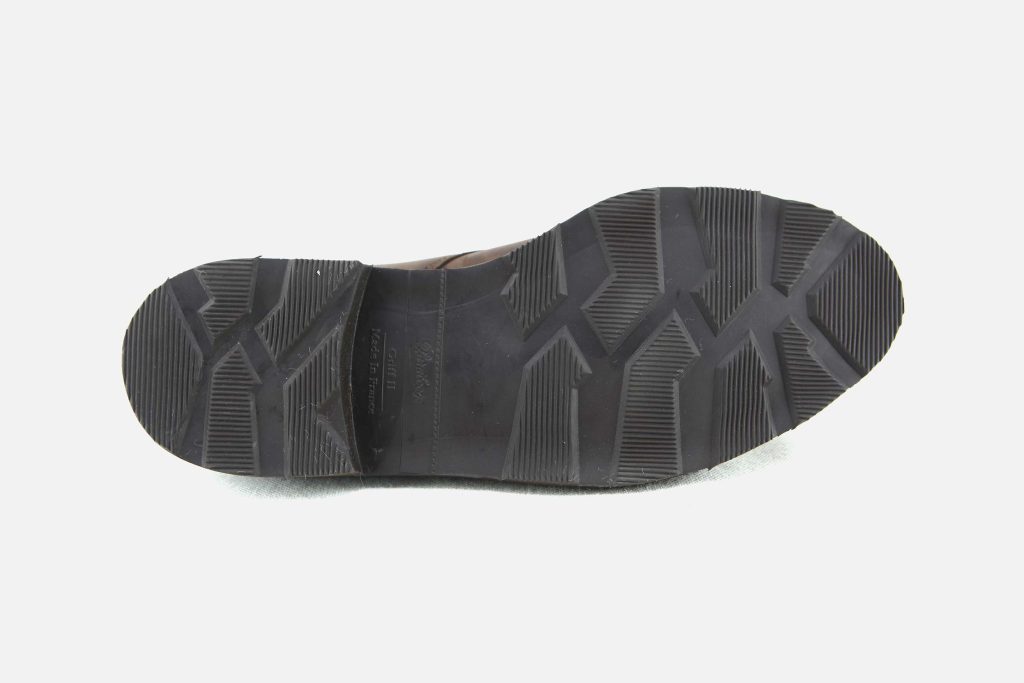
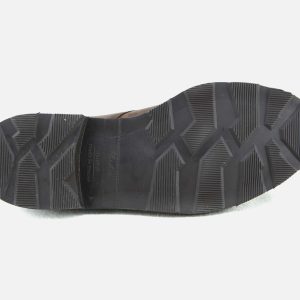
| Sole | Paraboot rubber sole |
| Construction | Norwegian welted shoes |
| Production | Saint-Jean-de-Moirans, in the heart of the French Alps (Eastern France) |
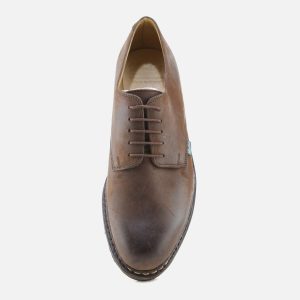
Description
You may also like
-
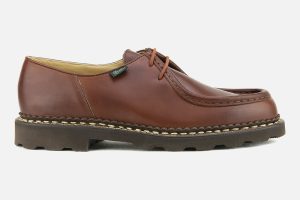 Paraboot
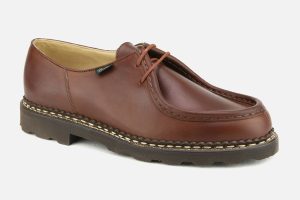
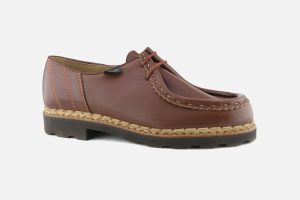
MICHAEL LISSE MARRON
Derbies Paraboot marron en cuir 485,00 € TTC 3939,54040,54141,54242,54343,54444,5454647 -
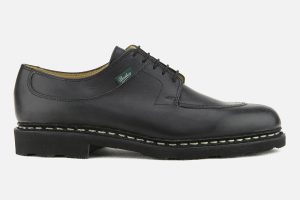 Paraboot
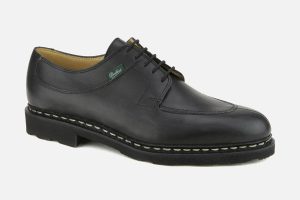
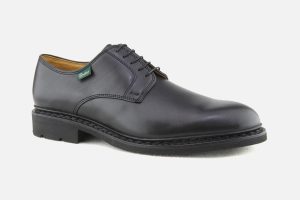
AVIGNON NOIR
Derbies Paraboot noirs en cuir 485,00 € TTC 55,566,577,588,599,51010,51111,51212,5 -
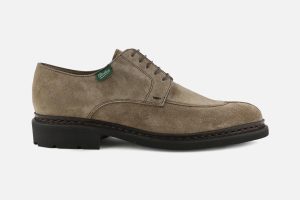 Paraboot
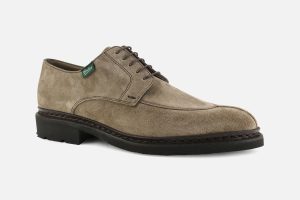
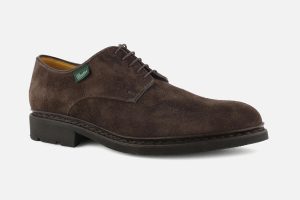
TOURNIER VELOURS BRUN
Derbies Paraboot marron en daim – nubuck 515,00 € TTC 77,588,591010,511 -
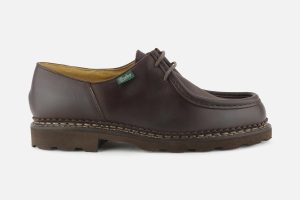 Paraboot
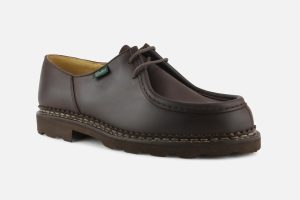
MICHAEL NUBUCK GRINGO
Derbies Paraboot marron en daim – nubuck 485,00 € TTC 39,54040,54141,54242,54343,5444547 -
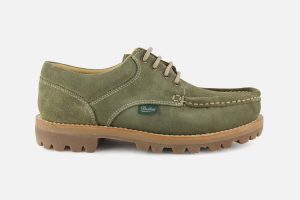 -30%
Paraboot
-30%
Paraboot
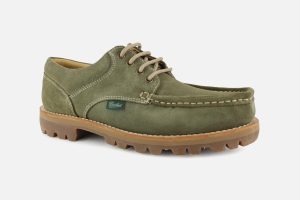
THIERS VEL KAKI
Derbies Paraboot verts en daim – nubuck Original price was: 335,00 €.234,50 €Current price is: 234,50 €. TTC 9,5 -
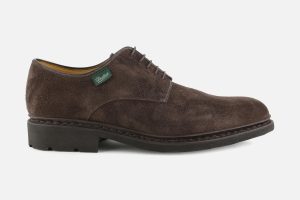 Paraboot
FRENAYE VELOURS CONGO
Derbies Paraboot marron en daim – nubuck 485,00 € TTC 66,577,588,599,51010,51112 -
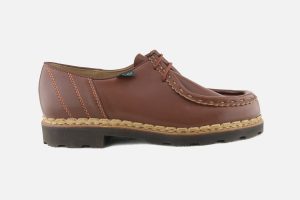 Paraboot
MORZINE MARRON
Derbies Paraboot marron en cuir 540,00 € TTC 39,5404141,54242,54343,54444,5454647 -
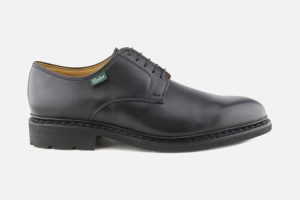 Paraboot
FRENAYE NOIR
Derbies Paraboot noirs en cuir 485,00 € TTC 66,577,588,599,51010,51111,512 -
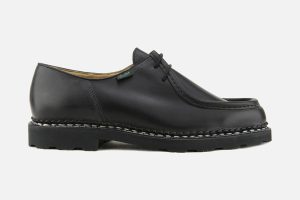 Paraboot
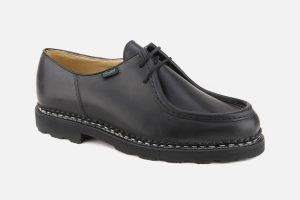
MICHAEL LISSE NOIR
Derbies Paraboot noirs en cuir 485,00 € TTC 39,54040,54141,54242,54343,54444,545 -
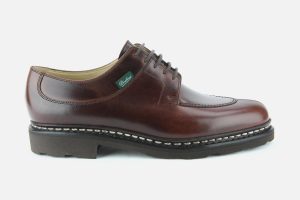 Paraboot
AVIGNON ECORCE
Derbies Paraboot marron en cuir 485,00 € TTC 6,577,588,51010,511 -
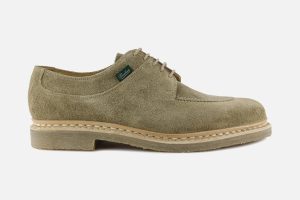 -40%
Paraboot
-40%
Paraboot
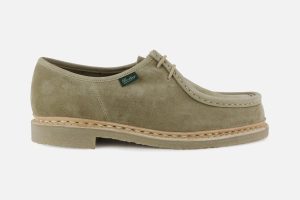
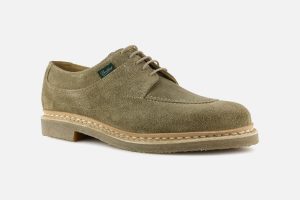
AVIGNON VELOUR SAND ARIO MIEL
Derbies Paraboot beiges en daim – nubuck Original price was: 475,00 €.285,00 €Current price is: 285,00 €. TTC 7,5 -
 -30%
Paraboot
-30%
Paraboot
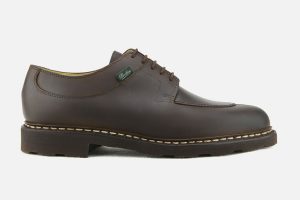
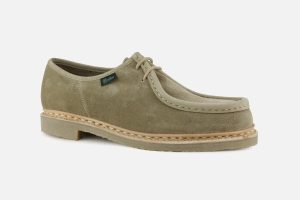
MICKA VELOUR SAND
Derbies Paraboot beiges en daim – nubuck Original price was: 395,00 €.276,50 €Current price is: 276,50 €. TTC 40,541,54243 -
 Paraboot
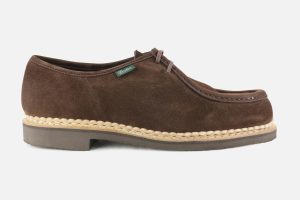
AVIGNON NUB MARRON
Derbies Paraboot marron en cuir 485,00 € TTC 6,577,588,599,51010,51111,512 -
 -30%
Paraboot
-30%
Paraboot
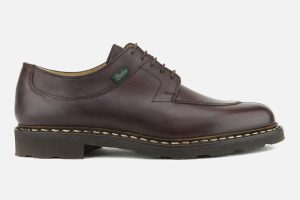
MICKA CHOCOLAT
Derbies Paraboot marron en daim – nubuck Original price was: 395,00 €.276,50 €Current price is: 276,50 €. TTC 41,542,54344,545 -
 Paraboot
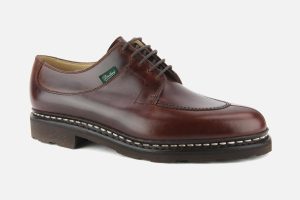
AVIGNON CAFE
Derbies Paraboot marron en cuir 485,00 € TTC 55,566,577,588,599,51010,511,512
About the brand
Paraboot’s story begins in Izeaux, a small village in Eastern France near the Alps. Rémy-Alexis Richard, works as a clicker in a shoe workshop, and decides in 1908 to launch its own shoes business, at a time where outsoles were made of wood or leather. In 1927, back from a trip to the United States where he discovered “boots” equipped with rubber soles, Mr. Richard registers the name Paraboot, which comes from “Para” (an Amazonian port from where the latex is exported from) and “Boot”. Paraboot shoes are sturdy, comfortable, and made with premium-quality materials. Many professionals wear them as they are well suited for many work-related environments. In the 1960s, Paraboot’s historical factory produced many high-performance technical shoes, that litteraly traveled around the world… at the feet of the great explorer Paul-Émile Victor or the great volcanoligist Haroun Tazieff, to name a few Specialized in the Norwegian-welted construction, Paraboot also produced Goodyear or Blake-welted shoes and develops every seasons new and fashionable urban styles, that come in many different looks, colors and materials. The Paraboot adventure continues, as this family-operated business launched in 2017 a brand new modern and environmentally friendly 10.000 m² plant, located a few minutes away from the historic workshops.